


THE ART OF AESTHETICS
Approaching every face as a unique, beautiful canvas
Achieving Facial Balance and Harmony – Art and Science combined for true objective beauty.
Considering the methods outlined below, treatments will only enhance and balance your features, making you look healthier, a few years younger, and truly well-rested.
The Golden Ratio
The ‘Golden Ratio’ (often symbolised by the Greek letter φ, pronounced “phi”) is a mathematical ratio considered aesthetically pleasing and harmonious in art, architecture, and nature. It is approximately equal to ‘1.618’. The Golden Ratio can be described as follows:
If you divide a line into two parts, the ratio of the whole length (A + B) to the longer part (A) should be the same as the ratio of the longer part (A) to the shorter part (B). This ratio is approximately 1.618:1.
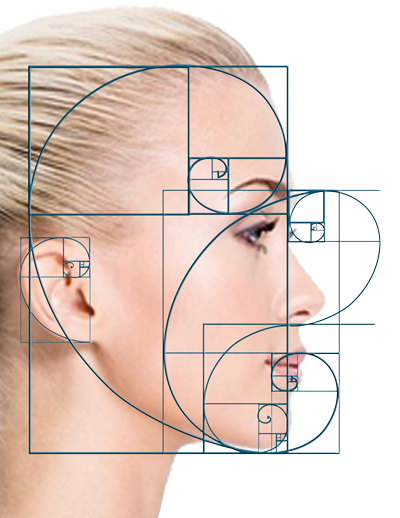
The Golden Ratio In Facial Aesthetics
The Golden Ratio is often used to describe the ideal proportions of the human face. For example:
- The distance between the eyes and the distance between the eyes and the mouth are often said to follow the Golden Ratio for an aesthetically “perfect” face.
- Other facial features, like the relationship between the width of the nose, the length of the face, or the proportion between the lips and the chin, can also align with the Golden Ratio in idealised beauty standards.
While not every face strictly adheres to the Golden Ratio, many artists, architects, and designers have used it as a guideline to create visually balanced and harmonious compositions. Due to their balanced proportions, faces and structures that approximate this ratio are believed to be perceived as more attractive.
Applying the golden ratio
Following a sensitive and thorough facial assessment, a well-trained artistic eye and expert practitioner will use their knowledge and experience to accurately apply the golden ratio, a principle widely employed to achieve beauty, balance, and harmony in art and design. Most famously used by Leonardo da Vinci and known during the Renaissance period as The Divine Proportion, it’s a mathematical approach to ensure we achieve the best aesthetic outcomes.
Facial Symmetry
- Horizontal Symmetry: This refers to the alignment of features across the face, such as the eyes, ears, and nostrils, which should be at similar levels on both sides.
- Vertical Symmetry: This relates to the balance of facial features from top to bottom, like the proportion between the forehead, nose, mouth, and chin.
The Appeal of Symmetry
Facial symmetry is often considered an indicator of beauty and attractiveness because it is linked to concepts of harmony and balance. Evolutionarily, symmetry is thought to signal health and genetic fitness, which is why it is perceived as more aesthetically appealing.
While perfect symmetry is rare, mild asymmetry is normal and natural. Some degree of facial asymmetry can be observed in everyone, and minor differences—such as one eyebrow being slightly higher than the other or one eye appearing larger than the other—are common.
Many cosmetic treatments and facial surgeries aim to enhance or correct facial symmetry. For example, rhinoplasty (nose surgery) or eyelid surgery (blepharoplasty) may be performed to balance features and create a more symmetrical appearance.
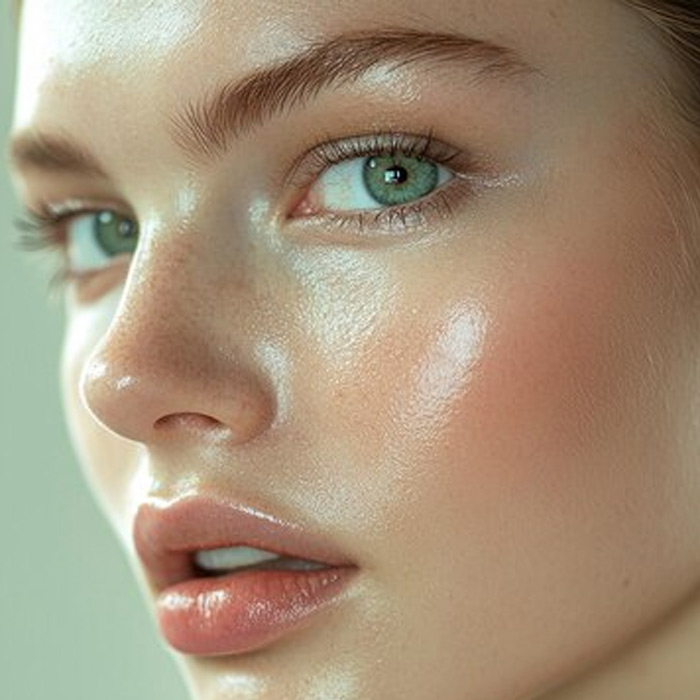
Facial Symmetry Assessment
Facial symmetry assessment involves both visual and technical methods to evaluate the balance of the left and right sides of the face, enabling optimum treatment results.
Light Reflexes
Light Reflexes refer to the way light interacts with surfaces and materials, particularly how it bounces off, diffuses, or scatters when it strikes them. In the context of facial aesthetics, light reflexes are crucial in shaping how we perceive facial features, texture, and form. This concept plays a significant role in visual appearance, especially in artistic fields such as photography, makeup, and design. Below are the main aspects of light reflexes and how they contribute to facial aesthetics:
Light plays a crucial role in facial aesthetics because it influences how the features of the face are perceived. It affects everything from skin texture and tone to the overall symmetry and three-dimensional structure of the face. Here’s how light interacts with facial features and contributes to aesthetics:
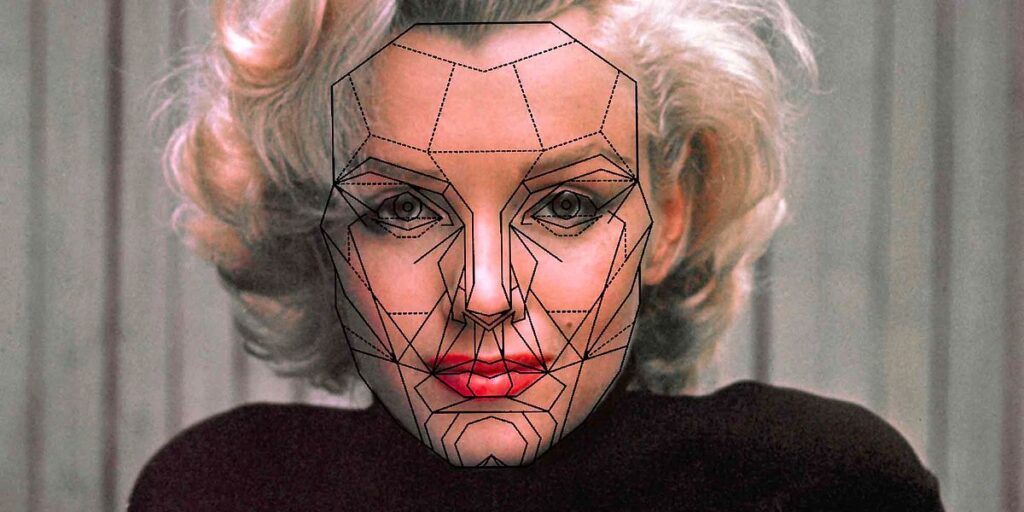
1. Skin Tone and Texture
Light Reflection on Skin: The surface texture and oiliness of the skin can cause light to reflect differently. Healthy, well-moisturised skin tends to reflect light more evenly, giving the face a smooth, glowing appearance. In contrast, skin with texture issues like acne or dry patches may scatter light unevenly, which can make imperfections more noticeable.
Warm vs. Cool Light: The colour temperature of the light (warm or cool) can also impact the perceived tone of the skin. Warm light (like golden hour sunlight) often flatters the skin, making it look softer and more radiant, while cooler light (like the blue light from digital screens) can make the skin look more pale or washed out.
2. Shadows and Contours
Creating Depth: Light creates shadows on the face, which helps define its contours and gives a three-dimensional appearance. Strategic lighting can enhance the prominence of cheekbones, jawlines, and the bridge of the nose, making facial features appear sharper and more sculpted.
Chiaroscuro Effect: The technique of chiaroscuro, where strong contrasts between light and shadow are used, can dramatically emphasise facial features. This is often used in photography or artistic portraiture to highlight the structure of the face.
Soft Lighting: Diffused or soft light minimises harsh shadows and can soften facial features, creating a more youthful or gentle appearance. This is commonly used in beauty and fashion photography to create a flattering effect.
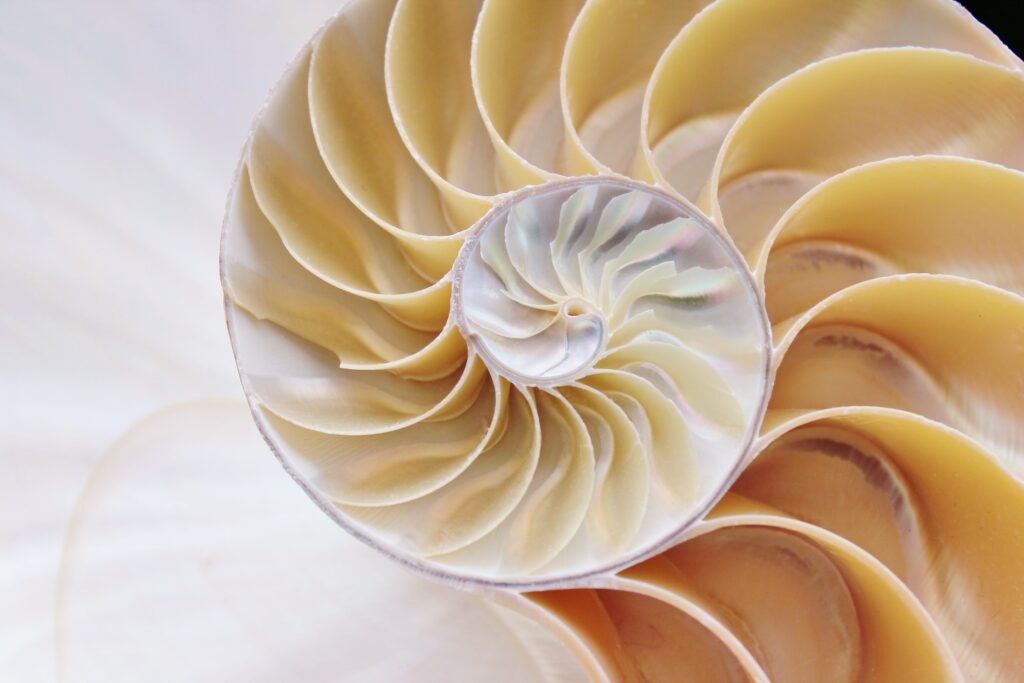

3. Highlighting Facial Features
Eyes: The eyes are one of the most expressive parts of the face, and lighting can make them appear more captivating. Light directed toward the eyes can enhance their colour and brightness, while shadows can add depth, making them seem larger or more defined.
Lips and Cheeks: Light can draw attention to the lips and cheeks. For example, highlighting the high points of the cheekbones and the cupid’s bow of the lips with light can give the face a more lifted, youthful look.
4. Facial Symmetry
Enhancing Symmetry: Light can be used to balance asymmetries in the face. By controlling how light falls on different parts of the face, it is possible to create a more symmetrical appearance, which is often considered aesthetically pleasing.
Corrective Lighting: Some makeup techniques also use light to correct perceived asymmetries. Contouring and highlighting are ways to manipulate light and shadow on the face to make certain features stand out or recede.

Light Reflexes Assessment
Assessing how light naturally falls on your facial features. We all appear different in varying light conditions, and the subtle contours of your face reflect in unique ways. An experienced practitioner will look at where light is needed and where it needs to be reflected in order to achieve the best possible outcome.
Colour Theory
Colour theory examines how colours interact, complement, and contrast with one another and how these relationships can be employed to create harmonious or dynamic visual compositions. It is grounded in the colour wheel, which arranges primary colours (red, blue, yellow), secondary colours (green, orange, purple), and tertiary colours in a circular format. Key principles encompass complementary colours (opposite on the wheel), which create high contrast and vibrant effects; analogous colours (next to each other), which produce harmony and a serene feeling; and triadic colours (equidistant on the wheel), which provide balanced contrast and vibrancy. Understanding colour theory aids in design, art, fashion, and other areas by guiding the use of colour combinations to evoke specific moods, attract attention, or maintain aesthetic balance.

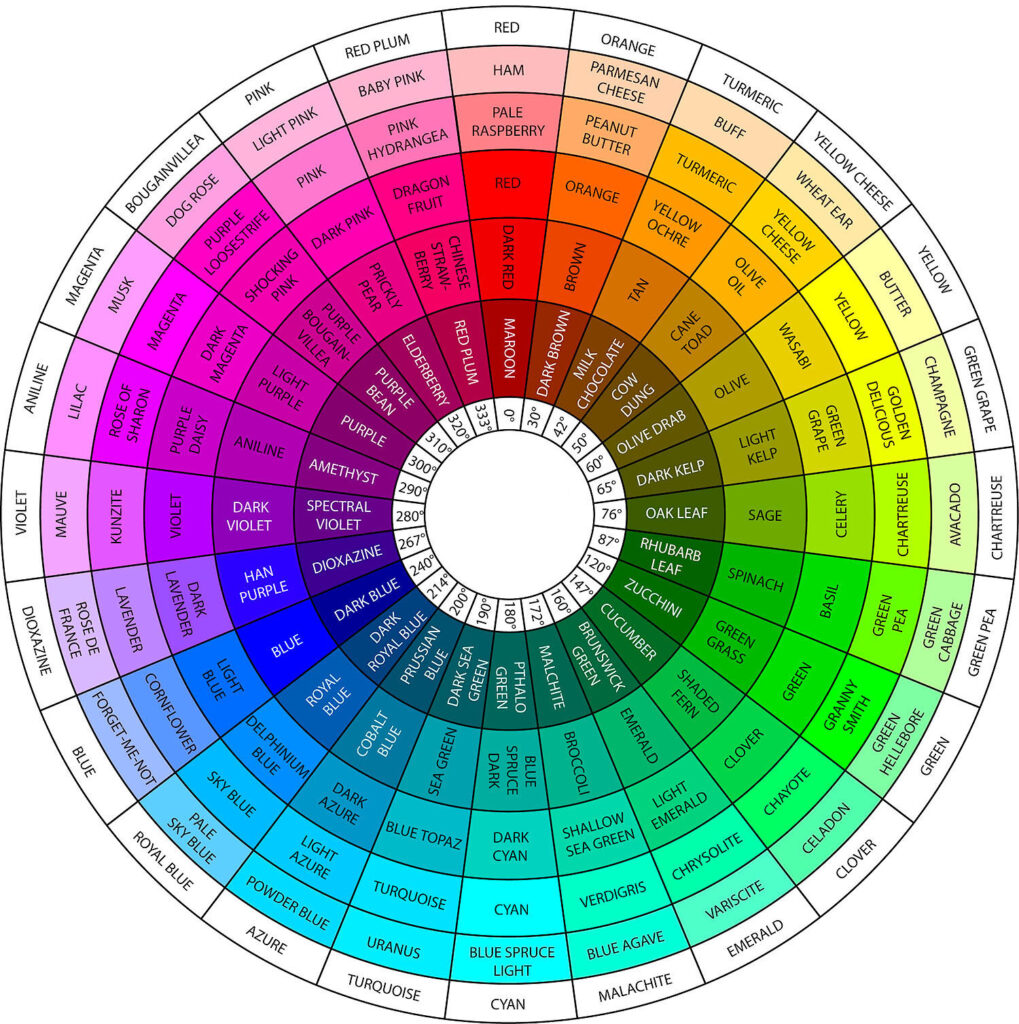
The Ageing Effect on Colour
As we age, changes in pigmentation primarily occur due to reduced melanin production and shifts in the distribution of pigments within the skin. Melanin production decreases over time, resulting in lighter skin and greying hair, while age spots (dark patches) may develop due to irregular melanin distribution from sun exposure. Thinning skin and reduced blood circulation can make veins more noticeable, leading to a paler complexion. UV damage accelerates pigmentation changes, causing uneven melanin production and heightening the risk of age spots and other discolourations. Hormonal changes, such as those encountered during menopause, can also trigger conditions like melasma, resulting in dark patches on the face. Overall, ageing impacts skin tone by slowing down cell turnover, reducing melanin production, and increasing the visibility of pigmentation irregularities.
In summary, ageing affects the pigments in human tissue primarily by decreasing melanin production in the skin, which leads to lighter skin and greying hair, as well as causing an uneven distribution of melanin that results in age spots. Changes in blood circulation and thinning skin can also modify the appearance of pigmentation, while UV exposure over the years accelerates these pigmentation changes, making the skin more susceptible to both hyperpigmentation and hypopigmentation. These combined factors contribute to the overall changes in skin tone, texture, and pigmentation as we age.
Restoring Colour, Restoring Youth
Colour can play a significant role in making you look younger by enhancing your natural features, brightening your complexion, and creating a fresh, vibrant, youthful appearance.
By applying specialised treatment techniques to replace lost colour within the skin tissue, we can create the illusion of youth! Equally, by removing hyperpigmentation from the skin tissue, we can once again rejuvenate the appearance of youthful skin. The clearer and more even the skin tone, the younger it looks!